

Hello and welcome back to Frayed Not!
Our mission is to remind you that change doesn’t need to be perfect, just possible!
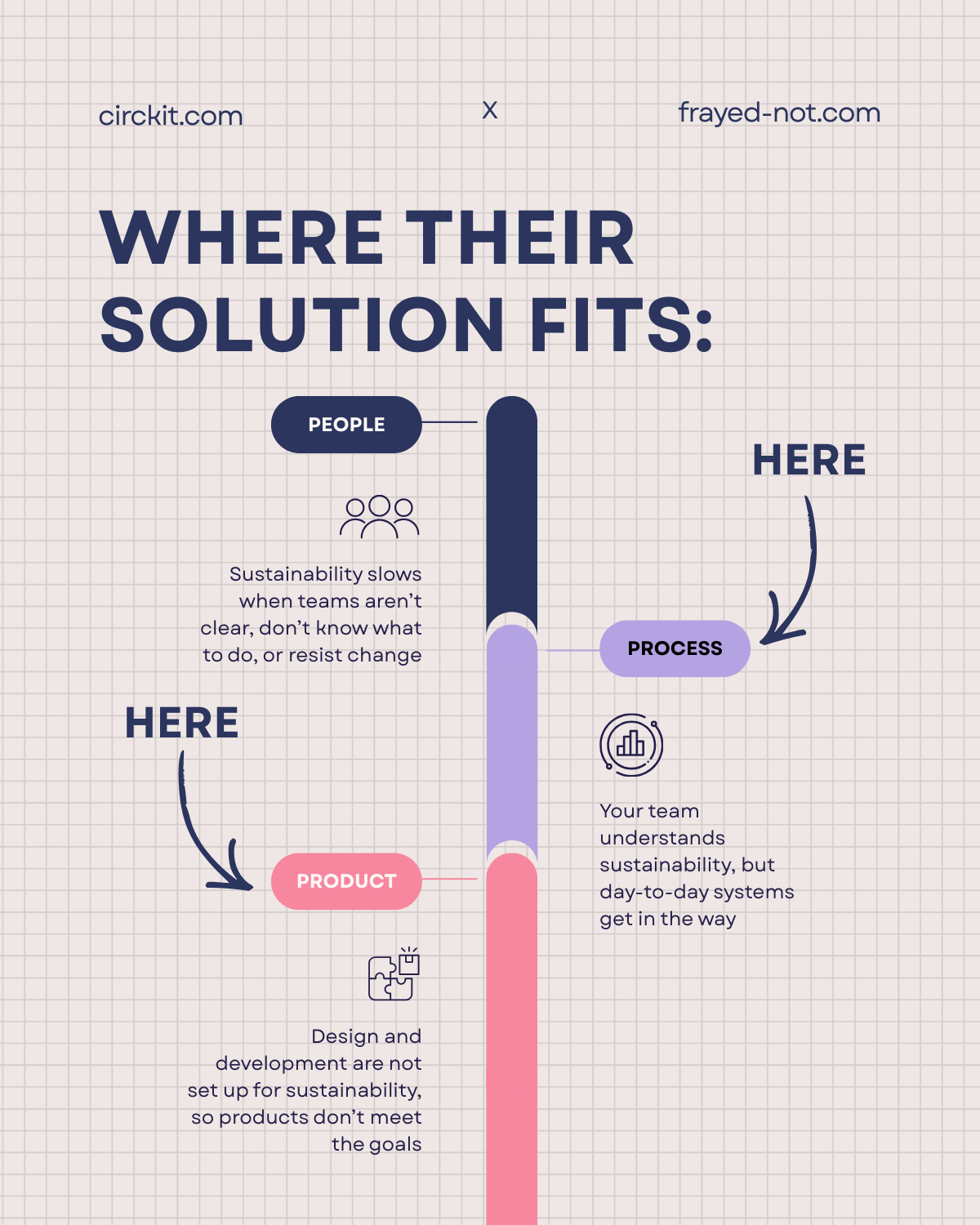
Whether you are a sustainability advocate or sustainability specialist, we are here to support those that carry the real weight of change so sustainability moves from strategy to execution.
Today we’re covering:
Are you ready to build change?
Most companies we talk to are treating Digital Product Passports (DPPs) like homework they haven’t started yet. The EU deadline feels distant (2027 for mandatory implementation, 2033 for full regulatory standards) and the UK one invisible, so it’s easy to move the topic to the bottom of the agenda.
But here’s what Manchester-based CircKit and GBADEBO understood: waiting for the perfect regulatory clarity means you miss the chance to shape what transparency actually looks like for your brand.

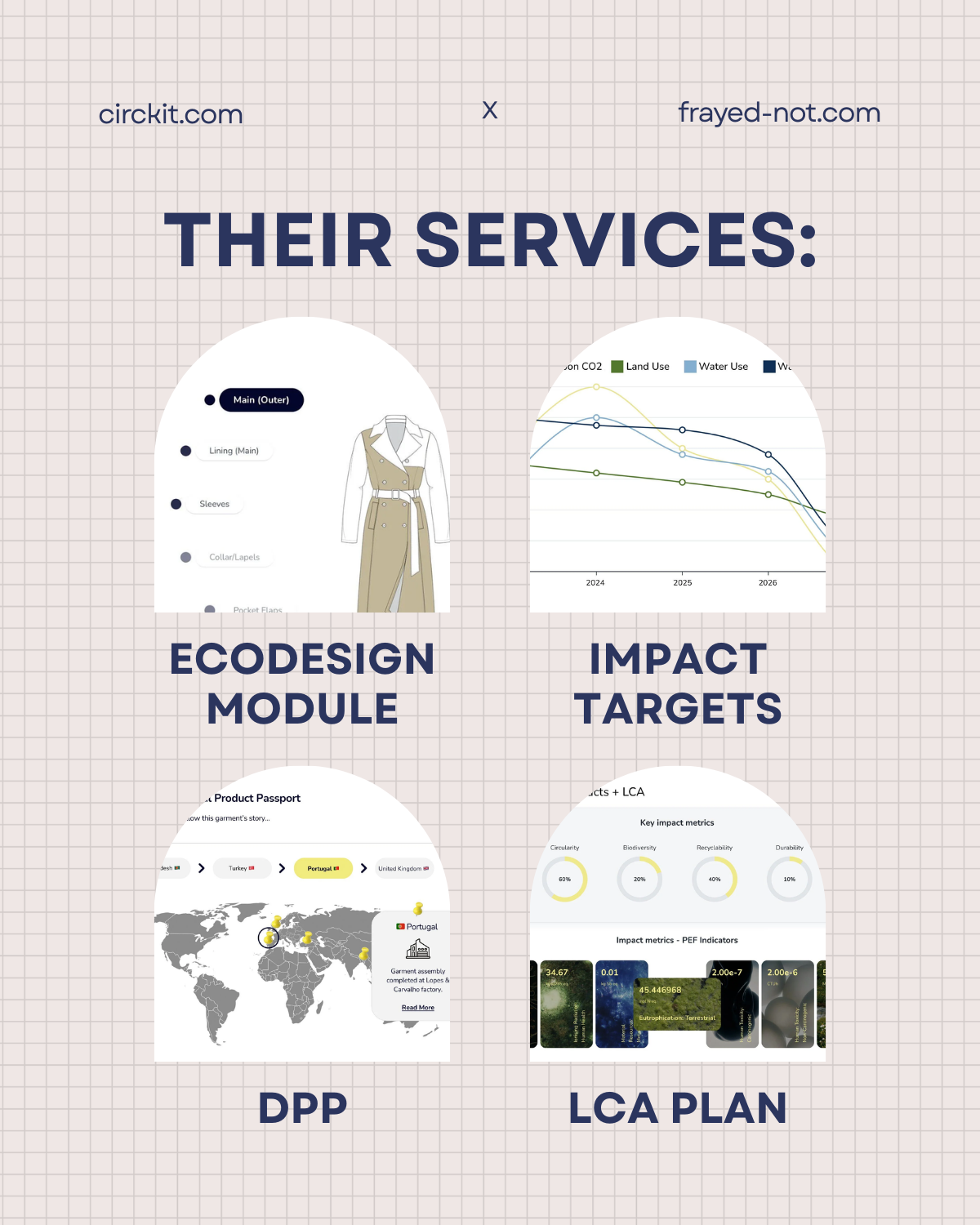
CircKit is the Circular design toolKit that helps fashion and footwear brands unlock circular growth through sustainable product design and lifecycle management. The platform integrates environmental impact, cost, and compliance insights at the design stage, transforming circularity and compliance from guesswork or a tick-box exercise into real positive impact and a competitive advantage. Its user-friendly dashboard provides real-time data on 16 environmental factors, including carbon, water, and energy, for fabrics and materials, enabling brands to reverse-engineer product impact and implement sustainability strategies pre-production.
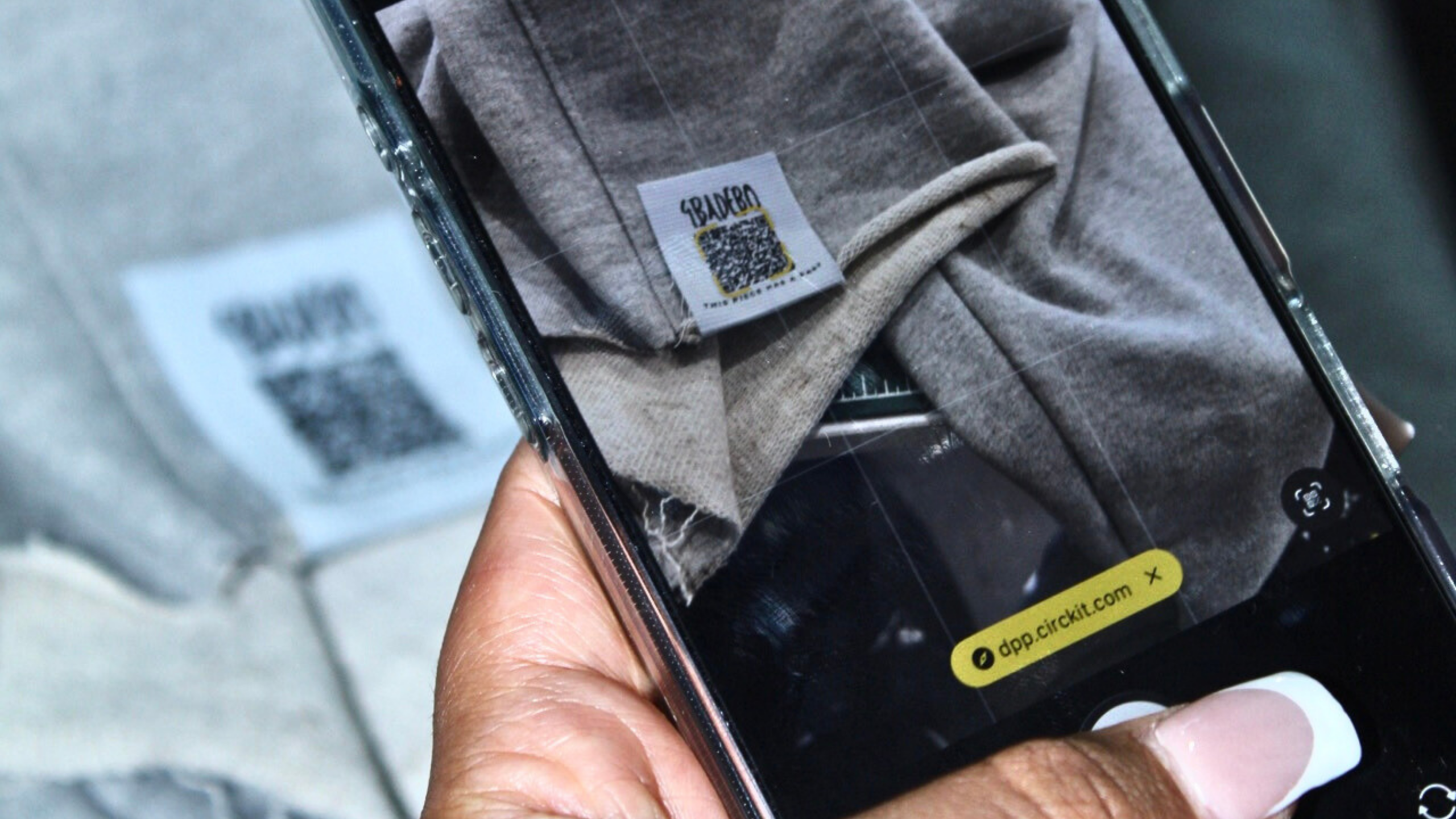
GBADEBO, the award-winning upcycling studio that transforms textile waste into one-of-one streetwear, has partnered with fashion tech start-up CircKit to integrate Digital Product Passports into their SS 2026 Collection. Scan a QR code on the garment label, and customers get the full story: materials sourced, environmental impact data, production journey, end-of-life options. In the words of Founder and Designer, Kemi Gbadebo:
I’m proud to collaborate with another Manchester-based company. Having known Joe (Darwen), the founder, for some time, it’s exciting to finally bring our brands together, bridging fashion and technology, to pioneer the adoption of DPPs from such an early stage, and being one of the first UK streetwear brands to champion this level of traceability in my designs.
Compared to traditional organisations who wait until they discuss sustainability, plan it on the agenda only to move it to the next meeting, this collaboration is launching in January 2026 and it’s customer-facing. The data includes approximations from GBADEBO’s internal records. The DPPs are early iterations. And that’s exactly why it works: because they’re learning by doing, adapt to the change in regulation and are not paralysed by waiting for perfection.
Here is the uncomfortable truth (Frayed Not style): by the time 2027 rolls around and DPP becomes mandatory for EU markets, the brands scrambling to comply will be starting from scratch. They’ll be racing against deadlines, conflicting systems, competitor pressure and asking customers to trust sustainability claims they haven’t had time to prove.
I recently advocated for early DPP implementation, only to be met with skepticism from senior leadership. One member mocked the ‘lack of a UK deadline’ as a reason for complacency. My response was simple and grounded in the bottom line: “Regulations don’t wait for domestic deadlines. Since you sell in the EU, the financial impact is already live.” It wasn’t about being right; it was about protecting the P&L from a shift that’s already happening that he couldn’t see.
GBADEBO and CircKit are playing a different game entirely.
By launching their DPP enabled solution in January 2026, they are giving themselves something invaluable: time to implement, test, learn fast, and refine before the stakes get higher. They’re testing what data customers actually care about, which formats feel intuitive, and where the gaps in the system exist, whilst regulations are still evolving.
To understand why this “wait-and-see” approach is a blindspot, we have to look at the industrial knitting machine revolution in fashion manufacturing. When computerized flat-bed knitting machines emerged in the 1980s, most manufacturers dismissed them as expensive novelties that were too complex, too risky, unproven technology. But a small cohort of knitwear producers treated these machines like laboratories. By mastering whole-garment knitting (producing seamless, three-dimensional pieces in a single process), they discovered entirely new design possibilities years before competitors even understood the economics had shifted. They learned how to eliminate waste, reduce labor costs, and create intricate patterns that were physically impossible on traditional equipment. While the industry waited for “proven methodologies,” early adopters built proprietary knowledge about yarn tensioning, programming sequences, and design limitations that couldn’t be taught, but only earned through thousands of hours of failed prototypes and recalibrated settings.
By the time whole-garment knitting became standard practice in the 2000s, these pioneers had already moved on to the next frontier. They weren’t just ahead; they had fundamentally different manufacturing capabilities. Companies that were reluctant could buy the same machines, but they couldn’t buy the decade of knowledge about how to design for the technology, or the supplier relationships built on understanding exactly which yarn compositions would work. The wait-and-see manufacturers found themselves catching up to a game whose rules had already changed.
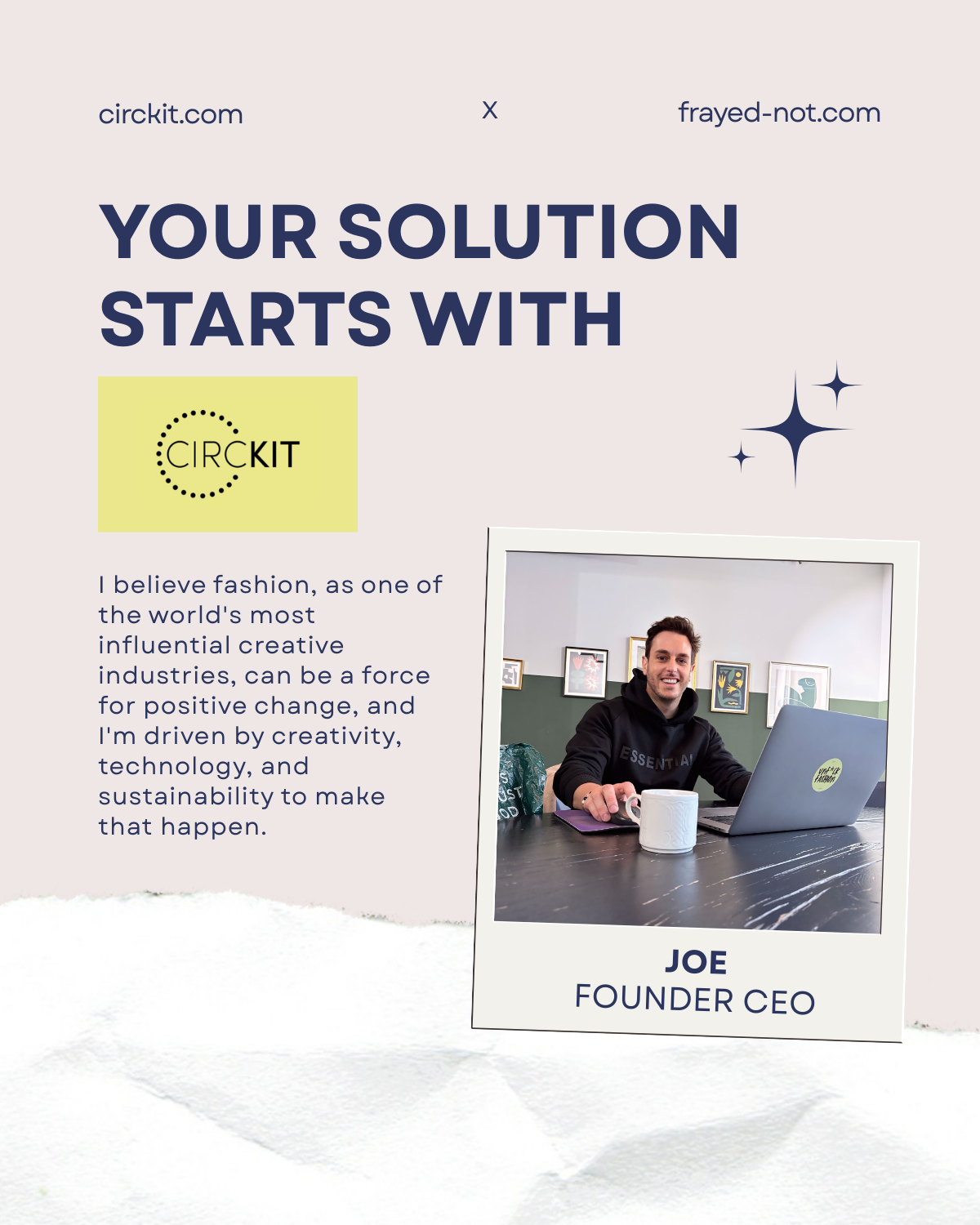
As Joe Darwen (CircKit’s Founder and CEO) quotes:
Our mission is to make circularity and transparency feel more tangible for a brand's audience, rather than theoretical. Working with GBADEBO has shown how DPP technology can empower independent, creative designers to communicate the story and impact of their pieces.
Here is what early adoption actually gives you:
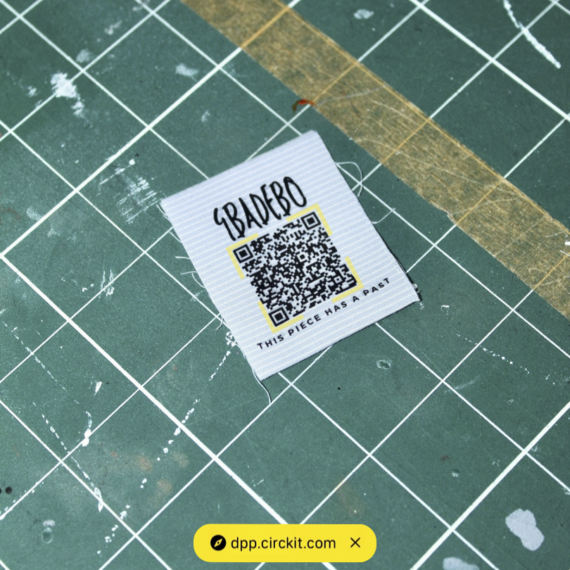
The term ‘Digital Product Passport’ can feel a bit vague, until you see it live integrated into the whole CircKit ecosystem. I had the chance to witness CircKit’s demo recently, and it blew me away. For those who know me, my Eastern-European poker face is hard to crack and I always have something to say, but this demo actually left me speechless.
CircKit’s dashboard tracks 16 environmental factors in real-time, pulling data at the design stage so impact information isn’t an afterthought, it’s baked into the product from conception. For an independent designer like GBADEBO, who doesn’t have a team of sustainability analysts, that democratises access to the kind of transparency tools that were previously only available to massive corporations.
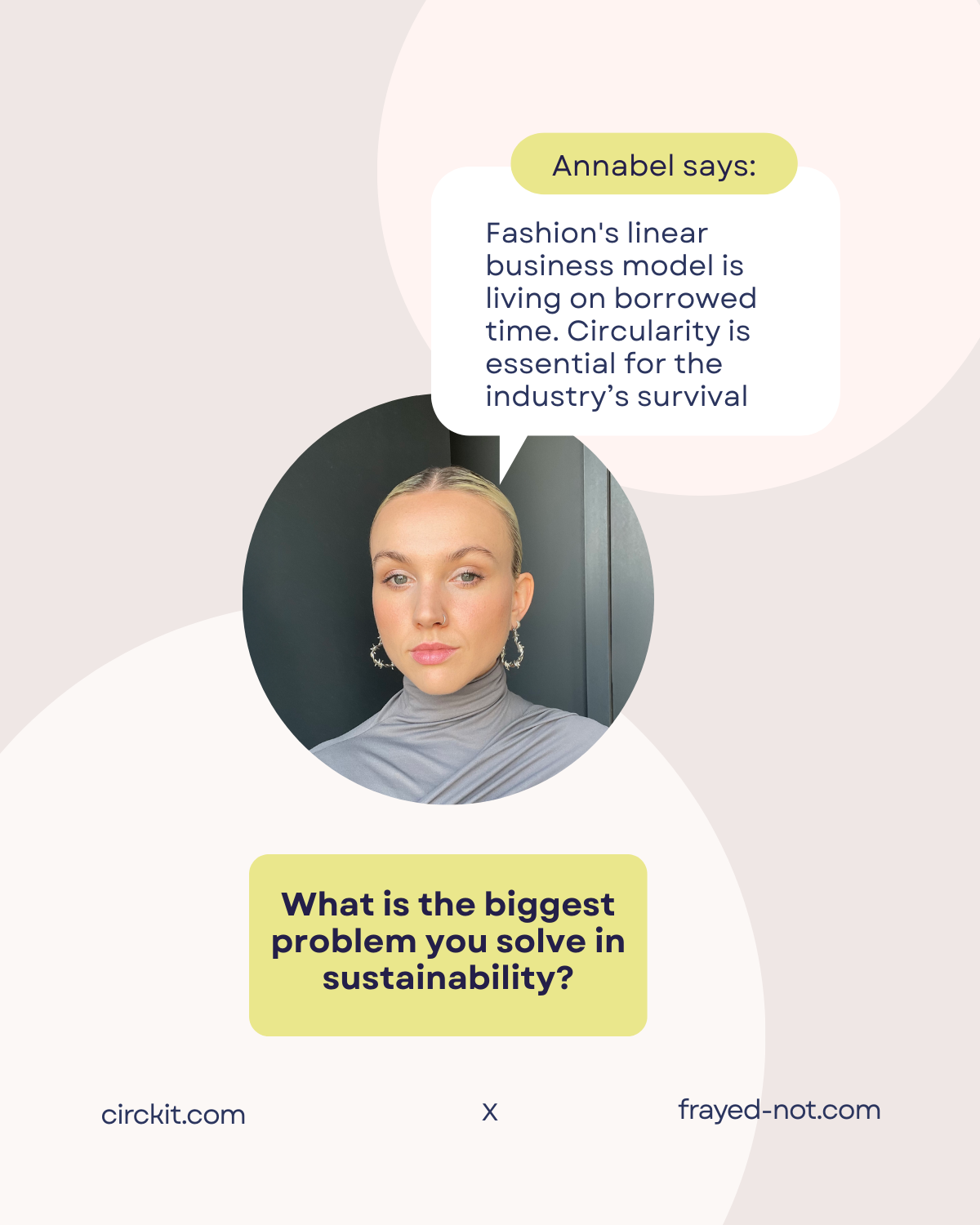
Annabel Lindsay, CircKit’s Brand & Communications Manager, frames it perfectly:
We're thrilled to be supporting a local independent designer who is a master of upcycling and embodies the creative future of more sustainable fashion.
Check out their solutions below:
You don’t need all the answers to start showing your work.
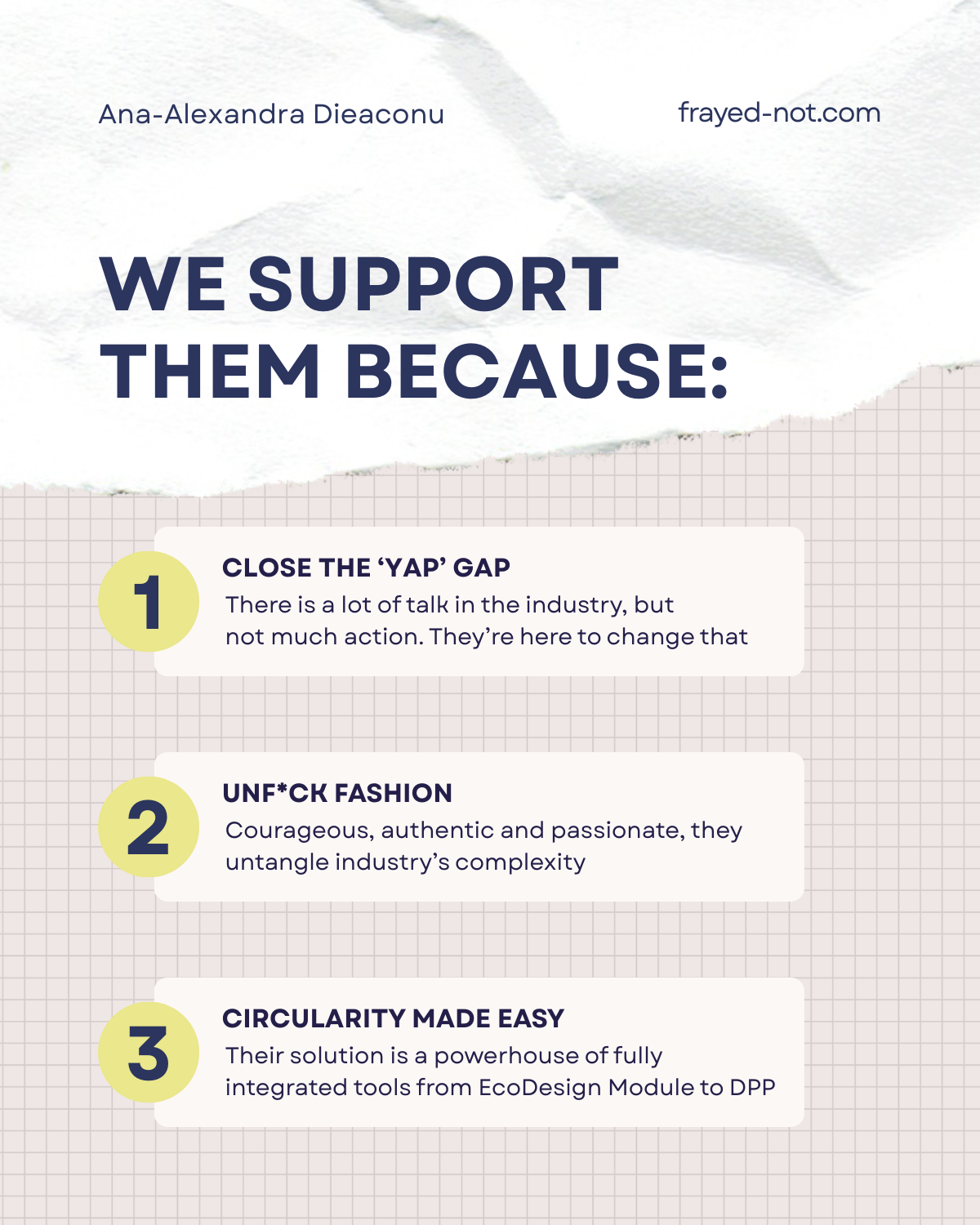
GBADEBO and CircKit prove that transparency doesn’t have to be intimidating, expensive or reserved for dedicated compliance teams, especially as they offer unlimited users, unlike most other solutions on the market.
The bigger lesson? The brands who wait for regulations to be finalized will spend 2027 scrambling to catch up. The ones experimenting now will spend 2027 refining systems they’ve already tested with real customers.
Ready to start building transparency before the deadline hits?
Message myself or Annabel to schedule a 15-min demo!
Ana-Alexandra Dieaconu: ana.dieaconu@gmail.com
Annabel Lindsay: annabel@CircKit.com
 Find these conversations valuable?


Sorry, the comment form is closed at this time.